


Claude Design 是 Anthropic Labs 于 2026 年 4 月 17 日推出的一款前沿 AI 视觉设计工具。它由强大的 Claude Opus 4.7 视觉大模型驱动,专门用于将文本提示词、现有代码库或视觉指南直接转化为高保真的 UI 原型、交互式网页、幻灯片和营销素材。与传统的聊天界面不同,Claude Design 提供了一个真正的可视化创作环境,内置了实时预览(Artifacts)、可视化调节滑块以及设计系统(Design System)级别的全局规范锁定功能。生成的 UI 不仅可以直接进行可视化微调,还能一键导出为 HTML、PDF、PPTX 和 Canva 格式,甚至可以打包无缝移交给 Claude Code 进行后端业务逻辑的开发。目前,该工具已作为研究预览版上线专属域名,面向 Claude Pro、Max、Team 及 Enterprise 付费订阅用户开放。
Function List
- Natural language generation of multi-format UI assetsSimply enter text prompts to generate clickable application prototypes, data visualization dashboards, high-fidelity landing pages, and corporate Pitch Decks.
- Automatically build brand design systemsAI supports the direct upload of existing codebases, CSS files, or brand visual guidelines (PDFs, etc.), and AI automatically extracts color, font, and component specifications and creates a proprietary “design system” that ensures that all output generated adheres to corporate branding standards.
- Visual parameter slider with real-time editing: Provides a side control bar similar to professional design software. Users do not need to rewrite the prompt, you can pull the slider to adjust the spacing, color, layout of the elements in real time, and even directly click to modify the text content or add comments on specific elements.
- Seamless front-end code handoff (Claude Code Handoff)The finished design is not just a picture, it's real running code. It can package and export the design intent and structure directly to Claude Code or other smart coding tools to complete the closed loop from design to development.
- Multi-platform flexible export: Supports one-click export of completed visualization projects to Canva, or saving to standard office and development formats such as HTML, PDF and PPTX.
- Frontier Complex Interaction (Frontier Design): Support for integrating voice, video, 3D visual effects and shaders to generate complex code-driven interactive experiences that are difficult to build quickly with traditional design tools.
Using Help
Claude Design operates differently from traditional tools such as Figma, using a hybrid model of “dialog-driven + visual control”. To help you get started with this revolutionary tool powered by Claude Opus 4.7, here is a detailed installation, configuration and in-depth user guide:
I. Access rights and basic configuration
Since Claude Design is a standalone service, it is not integrated into the regular Claude.ai chat window.
- access address: You need to access the exclusive URL directly in your browser
https://claude.ai/design。 - Account Requirements: Must be a paid subscriber to a Claude Pro, Max, Team or Enterprise plan to access.
- Special settings for enterprise: If you are using a Team or Enterprise plan, this feature is turned off by default. An administrator will need to go to “Organization settings” -> “Capabilities” -> find “ Anthropic Labs” and turn on the Claude Design permission switch.
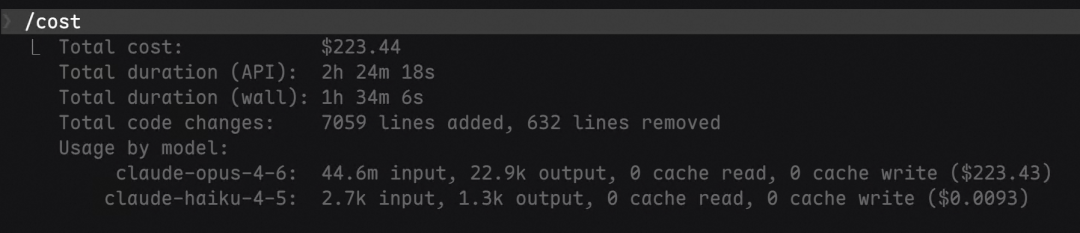
(注:该工具生成代码和实时渲染对 Token 的消耗较快,系统会共享您主账户的 Token 使用额度,达到上限后会自动转为按量付费模式,建议合理规划使用。)
II. Core Operational Process I: Injecting and locking in the brand design system
In order to prevent the AI from “free-ranging” every time and resulting in inconsistent design styles, the most critical first step is to create a “design system” for it.
- In the Project Initialization screen, place your company's branding guide (PDF), the color code containing the
DESIGN.mdfile or an existing front-end CSS framework file directly into the context window. - The AI automatically goes into a parsing state and extracts all core brand colors (primary, secondary, etc.), typographic fonts, spacing specifications, and existing button component styles.
- Once parsing is complete, Claude Design brings up a proofreading confirmation panel showing the color palette and typographic style it has extracted. You can manually click “Looks good” or make corrections. Once locked in, all the pages and slideshows generated within the project will fit your brand DNA perfectly.
III. Core operational process II: generating prototypes using structured cues
Once the design system is configured, you can start generating the UI, and for optimal high-fidelity output, it is recommended that your Prompt contain four core dimensions: Goal, Layout, Content, and Constraints.
- sample operation (computing): Enter “Generate a pricing page for a SaaS product with three tiers of cards. Require mobile first, use our branded home button component with yearly/monthly toggle switches, and maintain a business professional color palette consistent with the official website”.
- Claude further clarifies your requirements with a short question and answer form (Quiz), then immediately generates code in the Artifacts real-time rendering panel on the right and presents you with a fully-functional prototype of a web page that is ready to be scrolled and clicked on.
IV. Core operational process III: Iteration using sliders and built-in tools
This is the centerpiece of Claude Design's breakthrough dialog model, where you no longer have to repeatedly describe “make the words bigger” in text.
- Visual Sliders: Clicking on the control buttons in the right panel will call out a visual adjustment table. Here you can directly drag the sliders for spacing, font size, and color brightness, and the UI elements of the page will change in real time, which gives a high degree of freedom of adjustment.
- Direct EditIn the generated UI, you can click on any line of title or body to directly input and modify the copy without having to re-generate it through AI.
- Inline Comments: If you need to deeply refactor a specific chart or component, add an annotation directly to that element and tell Claude to “change this line chart to a bar chart with animation effects”, and the AI will rewrite the code only for that localized structure, dramatically improving rendering efficiency.
V. Core operation process IV: Multi-export and code handoff (Handoff)
When the UI prototype is tweaked to final satisfaction:
- For presentations and reports, click “Export” in the upper right corner and choose to export to HTML for direct mounting to the server, or to PDF / PPTX format for meeting use.
- For subsequent development, you can choose the **“Claude Code Handoff ”** feature. This feature packages the generated UI, component library specifications, and logical structure into a special compressed package structure. After the front-end developer imports the project through Claude Code on the command line, the AI intelligent body can seamlessly take over and continue to complete the development of deep back-end code logic such as connecting to databases and realizing authentication, thus truly realizing the “zero-loss” delivery of design to code.
application scenario
- SaaS Product Landing Page & Console Prototyping
Product managers or entrepreneurs can quickly prototype interactive SaaS product landing pages, user management backends, or data dashboards using natural language descriptions without opening complex vector design software. Combined with imported code specifications, the resulting pages are fully functional and brand UI compliant, and are immediately ready to be demonstrated and validated to investors or teams. - Automated generation of enterprise-class data slides (Pitch Decks)
Once a marketing or sales person has uploaded a CSV document containing core data and business dimensions, Claude Design is able to comb it directly into a 10+ page corporate slideshow. The resulting presentation automatically applies the company's standard colors, logo and typography, has built-in responsive charts and animations, and is then exported directly to PPTX for client presentations. - Seamless handover of complex dynamic component testing to front-end code
When a development team needs to build a 3D globe showing the distribution of website visitors or a complex data filtering table, they can use Claude Design's “Frontier Design” feature to quickly build the structure. After confirming that the visualization is correct, it can be directly packaged and handed over to Claude Code to complete the real data interface between Google Analytics API and Stripe interface, which greatly reduces the tedious cycle of “from cutting diagrams to writing code”.
QA
- Is Claude Design free? How can I access it?
It is not free. It is currently part of an independent research preview service from Anthropic Labs and requires a paid plan subscription to Claude (e.g., Pro, Max, Team, or Enterprise users) to use it. Access is available at the dedicated domain claude.ai/design. Enterprise plan administrators will need to manually enable this feature in their organization's back office under “Capabilities”. - What is the essential difference between Claude Design and the Artifacts feature in the Claude chat window?
While Artifacts is just a right-hand preview of code in a chat, Claude Design is a workbench built purely for “design output”. Not only does it support uploading and “locking down” an organization's entire design system, but it also includes visual fine-tuning sliders that can be dragged and dropped, inline comments on elements, and closed-loop, multi-format, one-click exports for both Claude Code and professional design software such as Canva. The - How do you prevent AI-generated design styles from not matching your company's brand tone?
Before building any project, you should take advantage of its “Design System Injection” feature by uploading your company's Brand Visual Guidelines file (PDF), an existing Code Component Library, or a CSS file, which Claude Design automatically reads and creates a library of mandatory color and typography specifications. With one proofread, all subsequent prototypes and slides generated by the project will accurately reflect your brand DNA!