
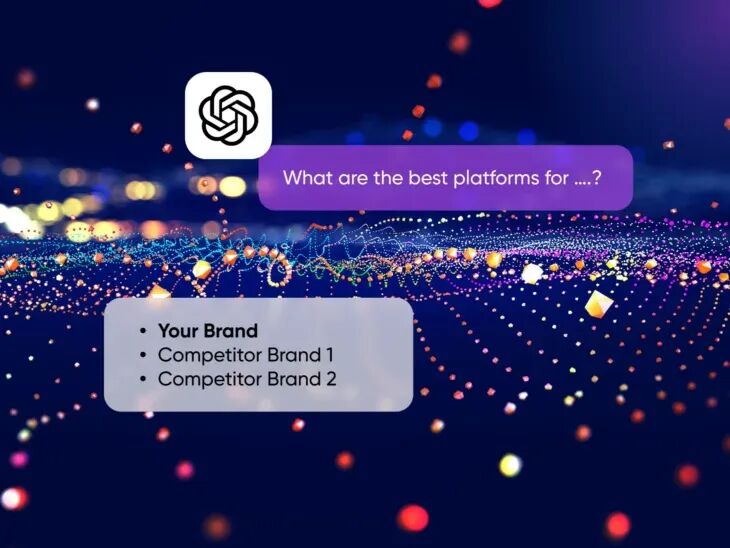
The fundamental logic of internet traffic is undergoing a fundamental restructuring. In the past, we competed for the top spot among the “ten blue links” on Google or Baidu; now, ChatGPT, Claude, and Perplexity AI tools are becoming the new gatekeepers. This shift brings a harsh new reality:Even if you rank first on traditional search engines, your information remains invisible to users if AI doesn't cite your content in its generated answers.
To survive in this era of “zero-click” search, we need to master a whole new optimization logic—what we call “AI Citation Readiness Model。
Analysis of hundreds of websites frequently cited by AI reveals that appropriately optimized pages can increase their citation probability. 40%Pages containing original research data are cited at a rate as high as 4.1 times。
To achieve this goal, you need to restructure your website across the following three dimensions:
- Technical Infrastructure LayerEnsure pages load extremely fast (<2 seconds), maintain clear HTML semantics, and deploy structured data.
- Content Structure LayerAdopt a “problem-oriented” approach in titles, provide direct answers, and make extensive use of lists and data tables.
- Authority Trust LayerMaintain high-frequency updates (within 30 days), accumulate high-quality backlinks, and clearly identify authors.
Remember the simpler days when all you had to do was focus on keywords and traffic would flow in endlessly? That era is over.
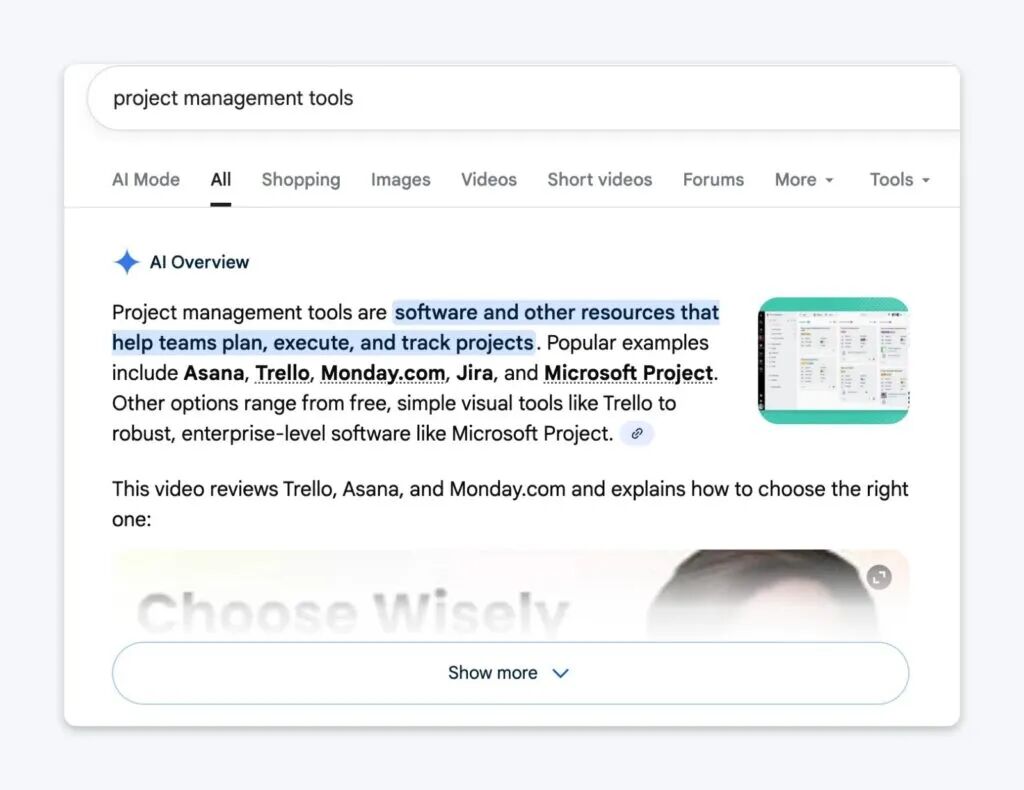
Today, Google's AI Overviews and other large model tools have directly taken over user queries. Data from January to October 2025 shows that traffic from AI recommendations has increased by over 100%These visitors aren't passive clicks; they actively visit because AI explicitly recommends your expertise.
If someone were here at this moment ChatGPT When people ask specialized questions in your field and your brand is absent, it's not just lost traffic—it's lost authority. This guide will take you deep into the core of Generative Engine Optimization (GEO), teaching you how to truly earn AI's “vote of confidence.”
In-Depth Analysis: Why Would AI Choose to Cite You?
The essence of AI search citations lies in balancing three dimensions: information quality, accessibility, and source trustworthiness.
If you notice certain content that's inferior in quality compared to your competitors yet frequently cited by AI, it's often because their “technical infrastructure” better aligns with the large model's preferences. For example, when Perplexity performs... RAG (Retrieval Augmentation Generation) During processing, it is necessary to capture, parse, and generate responses within milliseconds.
There is a performance threshold here:Websites with load times under 2 seconds receive 401% more citations.
AI crawlers differ from traditional search engine crawlers in that they face stricter “timeout constraints” and “context window” costs. The following three technical barriers can cause high-quality content to be discarded by AI:
- Timeout RemovalThe server response is slow, causing the AI to disconnect before completing content verification.
- Semantic noiseChaotic HTML code makes it difficult for AI to distinguish core content from advertising sidebars.
- Data Black BoxThe lack of structured data forces AI to “guess” the meaning of content, increasing the risk of generating hallucinations.
AI Decision Black Box: Citing Ready Models
When AI models decide whom to cite, they operate a logic we call the “citation-ready model.” You can picture it as a pyramid.
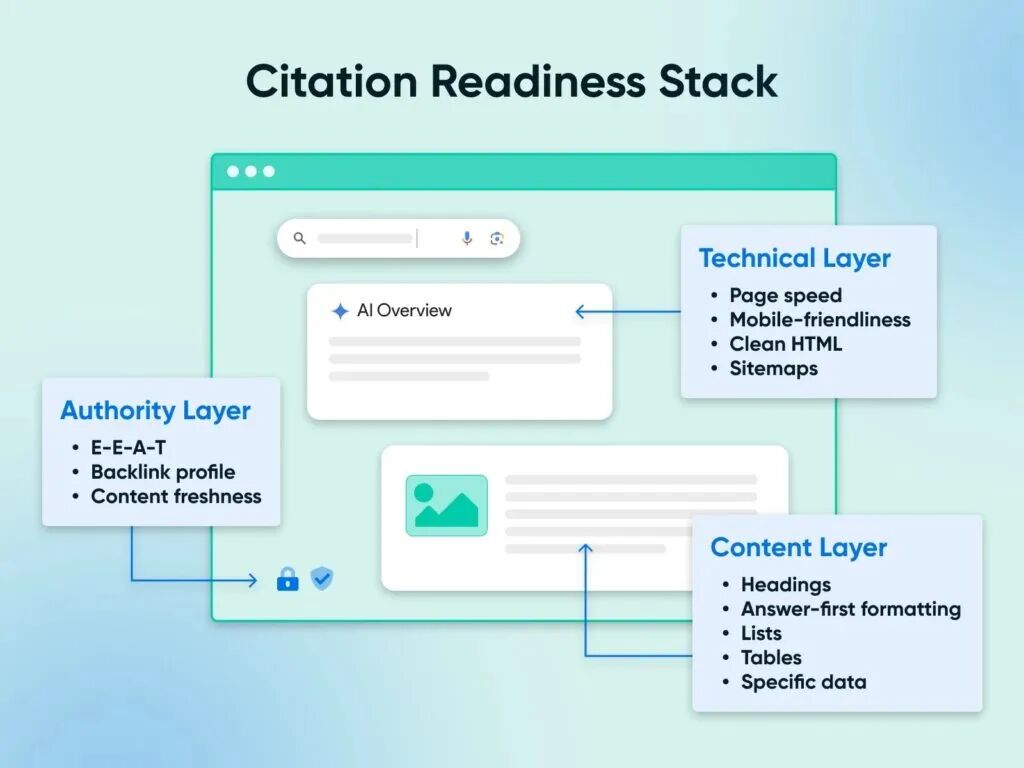
- Technical Layer (Foundation): Can they access it?
This is your ticket in. Page speed, mobile responsiveness, semantic HTML, sitemaps. Without this foundation, nothing else matters. - Content Layer (Entities): Can they understand?
This is the core interaction. After AI extraction, can it swiftly identify “question-answer” pairs? Is the content formatted into lists, tables, and structured paragraphs that large models can easily digest? - Authority Layer (Trust): Do they dare to trust?
This is the final filter. Based on E-E-A-T standards (Expertise, Experience, Authoritativeness, Trustworthiness), AI will evaluate whether your content should be presented to users as factual information.
You can't publish authoritative papers on sluggish websites, nor can you get citations for technically flawless shell websites. All three elements are essential.
First Layer: Technical Infrastructure Optimization
For AI,Page Speed, Semantic HTML, and Structured Data (Schema) The most critical technical metric. AI computational power and crawling budgets are finite, so they always prioritize processing websites that are “easy to read.”
Entity Optimization: The “Nutrition Facts Label” for AI”
The core of Entity Optimization lies in leveraging Schema Markup (Structured Data)This is akin to the nutrition facts label on food packaging—it eliminates ambiguity and directly informs the AI: “This is an article authored by Zhang San, published in 2025.”
AI dislikes uncertainty. Proper implementation of Schema markup can increase citation probability by approximately 28%。
You don't need to be a full-stack engineer; just focus on the following core Schemas:
- Article Schema: Clearly state the title, author, publication date, and revision date. This is the strongest signal to AI to prove the content's “freshness” and “source attribution.”
- FAQ Schema: The ultimate weapon against AI citations. This is essentially feeding preformatted Q&A directly to the AI.
- Organization Schema: Establish tangible brand recognition by linking the website to the company, logo, and social media accounts, thereby building tangible trust.
Practical Example: JSON-LD Article Schema
Add the following code block to the page: <head> 或 <footer> Within seconds, AI can instantly read and understand article metadata:
<script type="application/ld+json">
{
"@context": "https://schema.org",
"@type": "Article",
"headline": "如何让你的网站被 AI 引用",
"author": {
"@type": "Person",
"name": "Ben Thompson"
},
"datePublished": "2025-11-14",
"dateModified": "2025-12-10",
"publisher": {
"@type": "Organization",
"name": "Stratechery"
}
}
</script>
warningsDo not misuse Schema. Do not mark up content that does not exist on the page. AI possesses cross-validation capabilities, and deceptive practices will result in trust downgrades.
Minimal HTML Semantics
AI sees not visual design, but the HTML tree structure.
- Uniqueness: A page can only have one
<h1>。 - Hierarchical:
<h2>、<h3>、<h4>Logical nesting is required. Do not skip levels just to adjust font sizes. - Containerization: Use of
<p>Enclose paragraphs with<ul>、<ol>Package List, using<table>Package data.
This structure helps AI quickly identify: what constitutes the main argument and what serves as supporting evidence.
Second Layer: Content Structure Reconstruction
As a creator, this is where you can exercise your initiative most effectively. The goal is to restructure content into an “AI-friendly” format, which typically aligns with human habits for rapid reading.
Inverted pyramid structure: Present the answer first, then provide the explanation.
Rewrite your H2 and H3 headings as specific questions users might ask (e.g., “What is the best format for image optimization?”). Immediately following, provide a complete, data-driven answer in the first sentence of the paragraph.
❌ AI-difficult-to-extract-answers:
“Image optimization plays a crucial role in modern web design. It involves multiple complex techniques, and we need to comprehensively consider various factors to enhance the mobile experience... (All nonsense; AI cannot extract information entropy).
✅ AI's easily quotable response:
“Compress images to under 100KB using the WebP format, combined with lazy loading and the srcset attribute. These three strategies can reduce mobile loading times by 40-60% without compromising visual quality.”
In this example, the AI extracted specific operational elements (WebP, 100KB, Lazy Loading) and quantified results (40-60%), significantly increasing citation probability.
The Power of Structured Data: Lists and Tables
AI models are essentially probabilistic prediction engines that favor structured information.
- Original Data TablePages containing original data comparison tables receive more citations than regular pages. 4.1 timesThe table is Token The most efficient way to display information.
- Numbered ListFor any step-by-step procedures, be sure to use
<ol>。 - Bullet pointsWhen listing features or advantages, be sure to use
<ul>。
If you are the sole source of benchmark data for a particular industry, AI has no choice but to cite you.
Third Layer: Authority and Trust Building
This is the pinnacle of the pyramid. Once both technology and content meet the standards, AI will achieve E-E-A-T Signals determine whether to trust you.
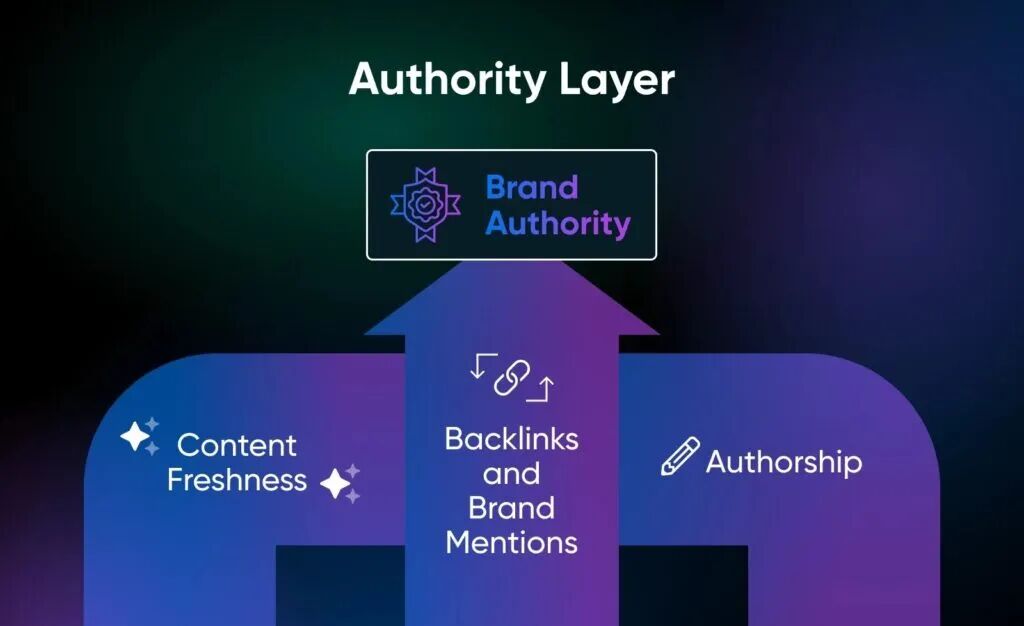
- Content Freshness:
Perplexity and other real-time search engines place extreme importance on timeliness. Content updated within the past 30 days is cited at a significantly higher rate than older content. 3.2 timesEstablish a maintenance mechanism for evergreen content, regularly updating data, adding new case studies, and refreshingdateModifiedTimestamp. - Backlinks:
Links from high-authority domains remain powerful votes of confidence. They tell AI: “Authoritative sources trust this origin.” - Clear Authorship:
AI is increasingly inclined to recognize the “people” behind the content.- Specify the author in the Schema.
- Create a detailed author profile page (including LinkedIn and past works).
- Maintain consistent output from specific authors within specific verticals.
Action Guide: 90-Day Optimization Roadmap
Having grasped the theory, the next step is to develop an implementation plan for deploying the “AI-ready model.”
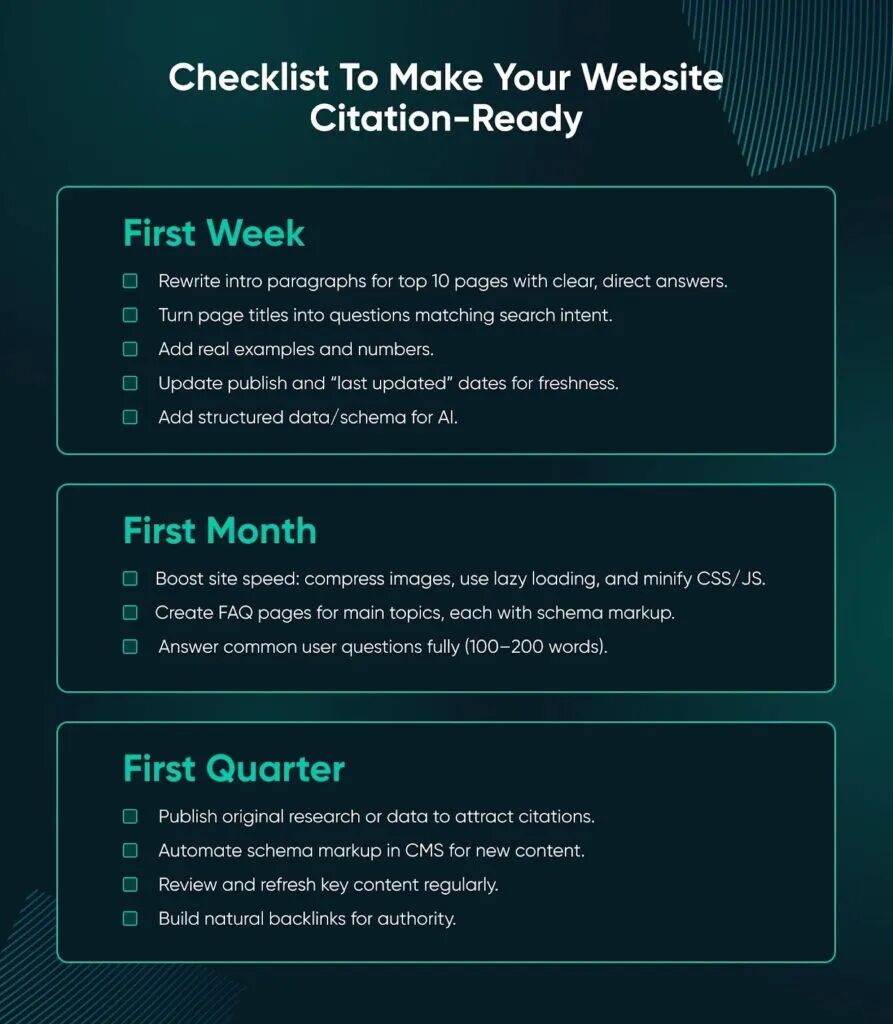
Phase One: Weekly Plan (Low Investment, Immediate Results)
Focus on your top 10 core pages with the highest traffic:
- Rewrite the first paragraphEnsure that the H2 heading is immediately followed by the direct answer.
- Problem-oriented titleChange the declarative title to a frequently searched question by users.
- Add SchemaUse plugins or JSON-LD to inject article and author metadata.
- Refresh TimeUpdate content and modify the release date.
Phase Two: Monthly Plan (Performance and Authority)
- Technology AccelerationCompress images to WebP format, enable caching, and optimize server response time (TTFB < 600ms).
- FAQ OffensiveTo address industry pain points, create a dedicated FAQ page and implement FAQ Schema markup.
Phase Three: Quarterly Plan (Building the Moat)
- Publish original researchConduct industry research or data analysis, and publish exclusive reports and charts. This is the ultimate way to earn citations.
- CMS AutomationCollaborate with the development team to integrate Schema markup into CMS templates and enable automated deployment.
- Link BuildingAcquire backlinks from top industry websites through public relations and high-quality content.
How to Track the Effectiveness of AI Citations?
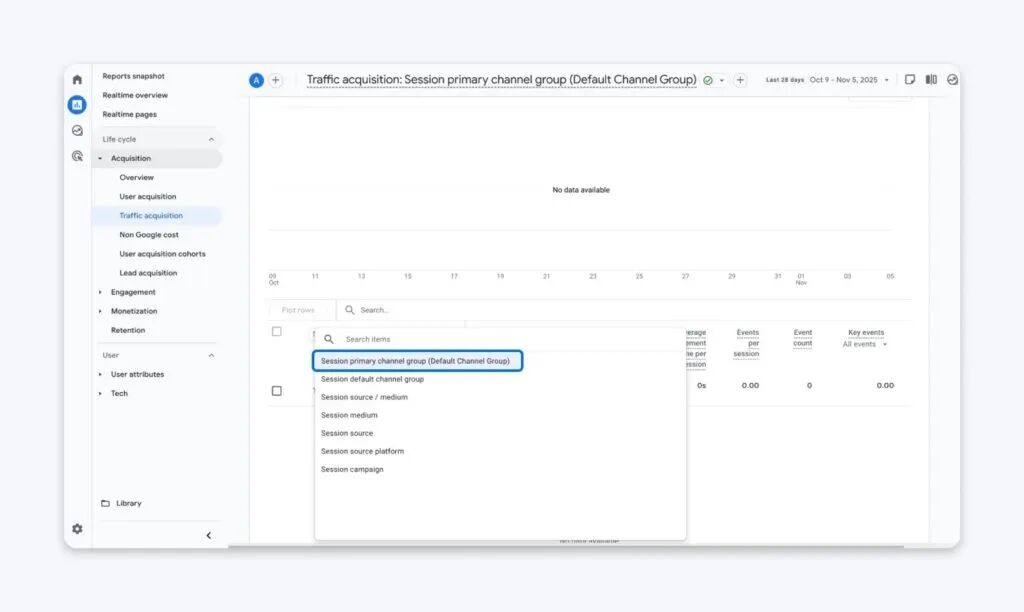
This is an entirely new domain where traditional data analysis tools often struggle to provide direct attribution. We need to combine GA4 with manual sampling.
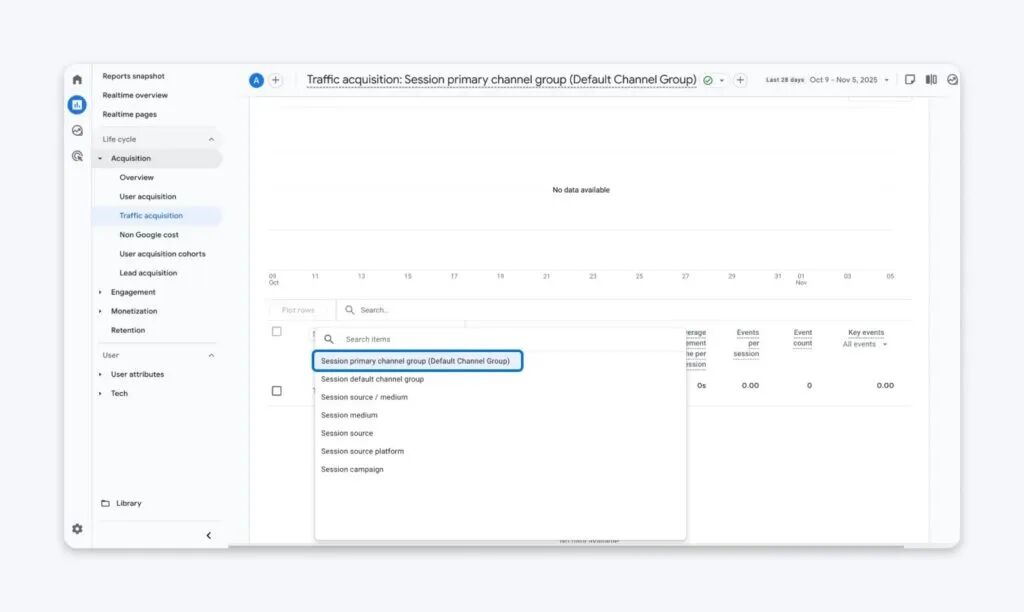
1. GA4 Traffic Source Analysis
In Google Analytics 4, focus on “Referral Traffic.” We recommend creating a custom segment for AI sources:
2. “Spot Checks” and Reverse Engineering
Each week, select your core keywords and manually ask questions in ChatGPT, Perplexity, and Google AI Overviews.
- If cited: Records which part of the content triggered the reference.
- If not citedCheck out your cited competitors. Do they have faster page speeds? Is their HTML structure cleaner? Do they feature unique data tables? These are your optimization targets.
3. Professional Tracking Tools
As demand grows, consider leveraging tools like Otterly AI, LLMrefs, or enterprise-grade solutions such as the Semrush AI Toolkit and Ahrefs Brand Radar. These platforms offer more systematic brand mention monitoring capabilities.
Don't just focus on vanity metrics.
Traffic from AI sources typically exhibits extremely high intent. Focus on these users. Session Duration 和 conversion rateThey came with the answers, often needing only to take that final step.
In the AI era, becoming an authoritative source no longer means being the loudest voice, but rather the most precise, structured, and trustworthy one. Through entity optimization, strategic content architecture, and continuous authority-building efforts, you will secure your place in the future search landscape.