
I. The root cause of the test cue word:
- LLM is highly sensitive to cues, and subtle changes in wording can lead to significantly different output results
- Untested cue words may be generated:
- misinformation
- Irrelevant replies
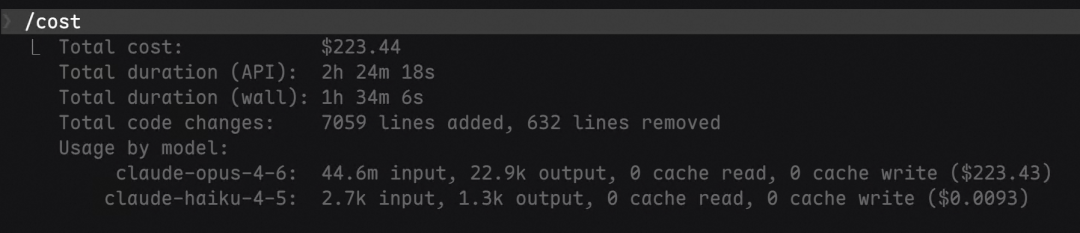
- Unnecessary wasted API costs
Second, a systematic cue word optimization process:
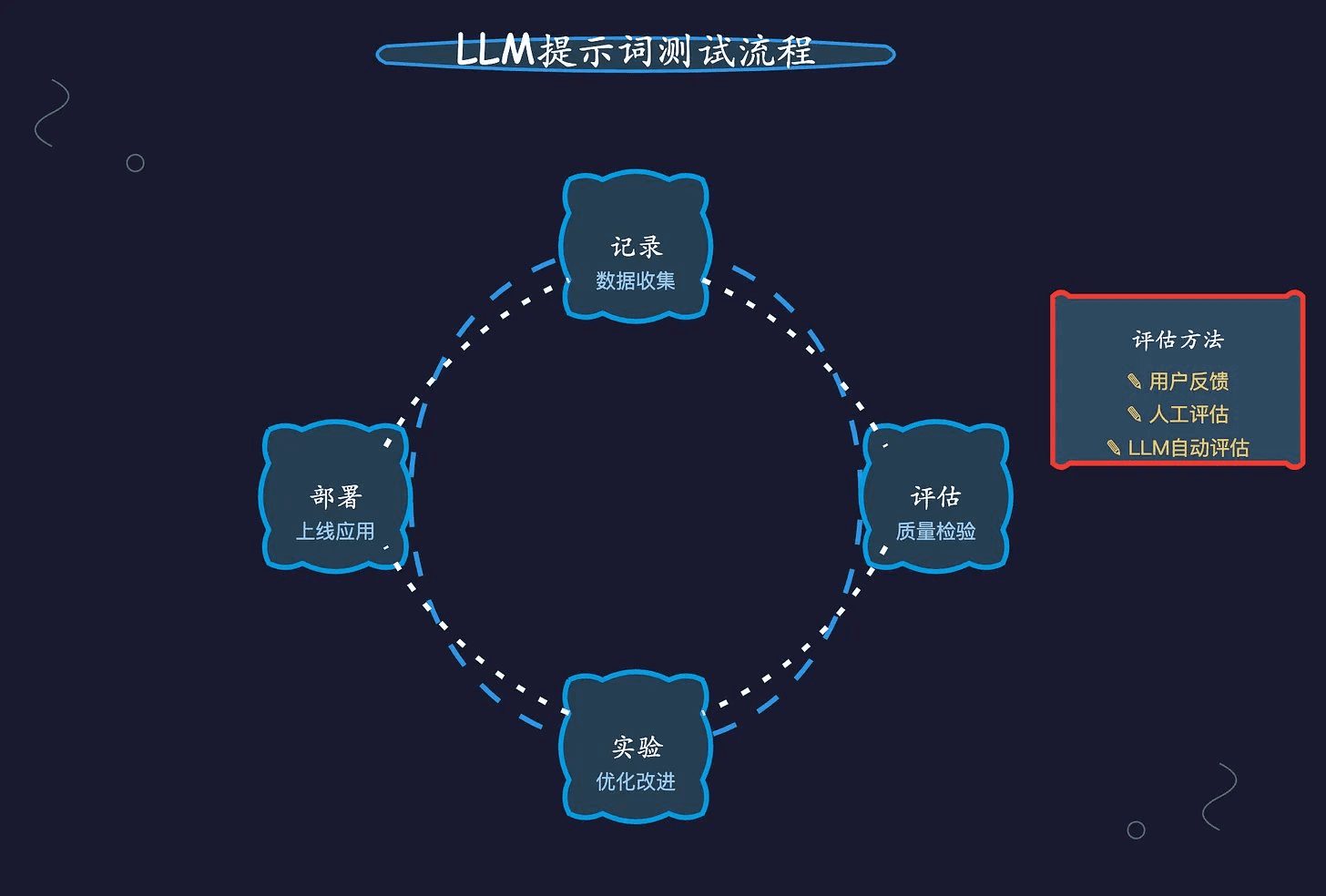
- preparatory phase
- Logging LLM Requests with the Observation Tool
- Track key metrics: usage, latency, cost, first response time, etc.
- Monitoring anomalies: increased error rates, sudden increase in API costs, decreased user satisfaction
- Testing process
- Create multiple cue word variants, using techniques such as chain thinking and multiple examples
- Tested using real data:
- Golden datasets: carefully curated inputs and expected outputs
- Sampling production data: challenges to better reflect real-world scenarios
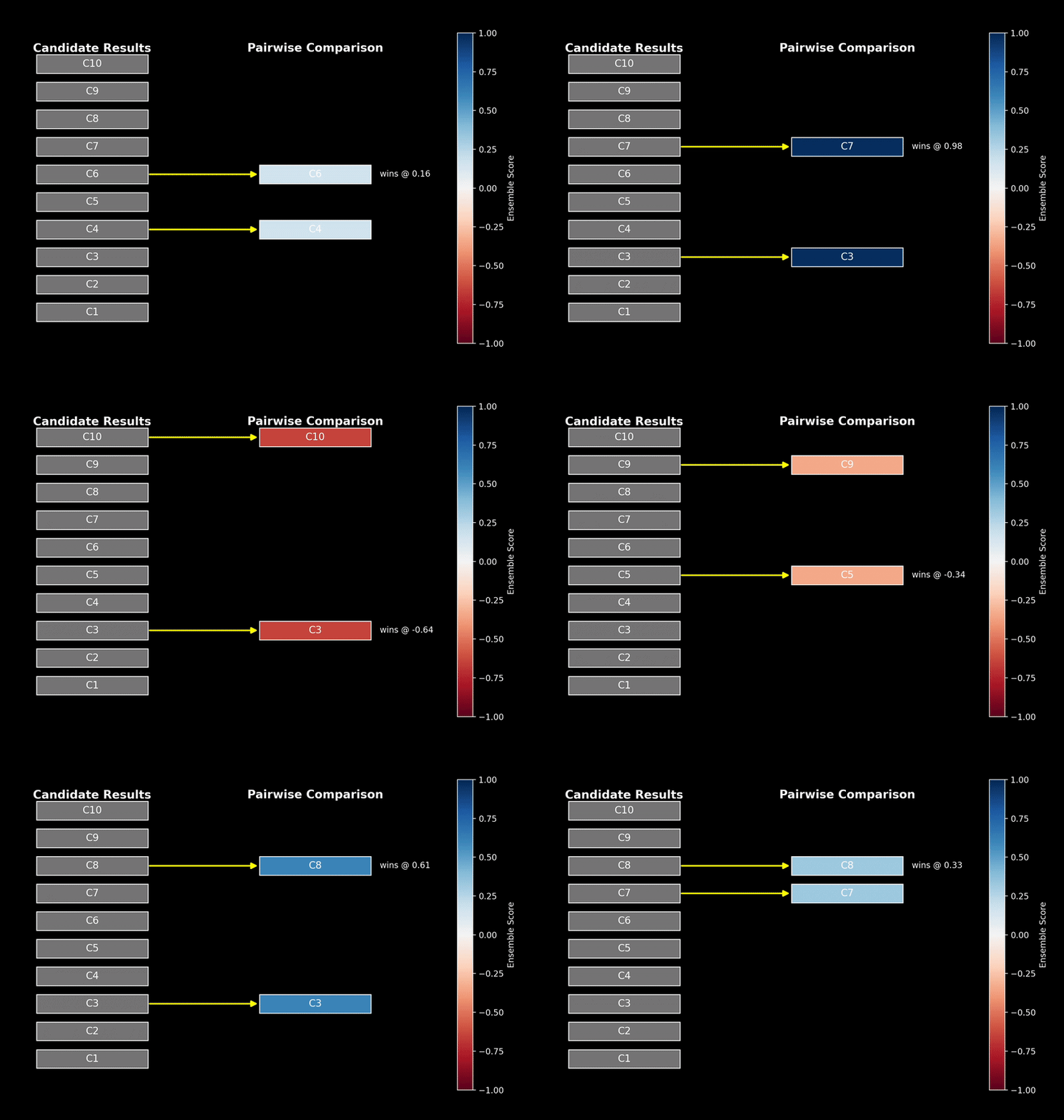
- Comparative evaluation of the effects of different versions
- Deployment of best practices to production environments
III. In-depth analysis of the three key assessment methods:
- Real user feedback
- Advantage: directly reflect the actual use of the effect
- Characteristics: can be collected through explicit ratings or implicit behavioral data
- Limitations: takes time to build up, feedback can be subjective
- manual assessment
- Application scenarios: subjective tasks requiring fine-grained judgment
- Assessment approach:
- Yes/No judgment
- Scoring on a scale of 0-10
- A/B test comparison
- Limitations: resource-intensive and difficult to scale
- LLM automated assessment
- Applicable Scenarios:
- Classification of tasks
- Structured Output Validation
- Constraints checking
- Key Elements:
- Quality control of the assessment prompts themselves
- Provide guidance on assessment using sample less learning
- Temperature parameter is set to 0 to ensure consistency
- Strengths: Scalable and efficient
- Caveat: possible inheritance model bias
- Applicable Scenarios:
IV. Practical recommendations for an assessment framework:
- Clarify the assessment dimensions:
- Accuracy: whether the problem is solved correctly
- Fluency: grammar and naturalness
- Relevance: whether it hits the user's intent
- Creativity: imagination and engagement
- Coherence: harmonization with historical outputs
- Specific assessment strategies for different task types:
- Technical support category: focus on accuracy and professionalism in problem solving
- Creative writing category: focus on originality and brand tone
- Structured tasks: emphasis on formatting and data accuracy
V. Key points for continuous optimization:
- Create a complete feedback loop
- Maintain a mindset of iterative experimentation
- Data-driven decision-making
- Balancing impact enhancement and resource investment
May not be reproduced without permission:AI productivity tools » How to Test LLM Cues Effectively - A Complete Guide from Theory to Practice