

Developers can use a layered architecture to achieve deep integration:
Base Layer Configuration
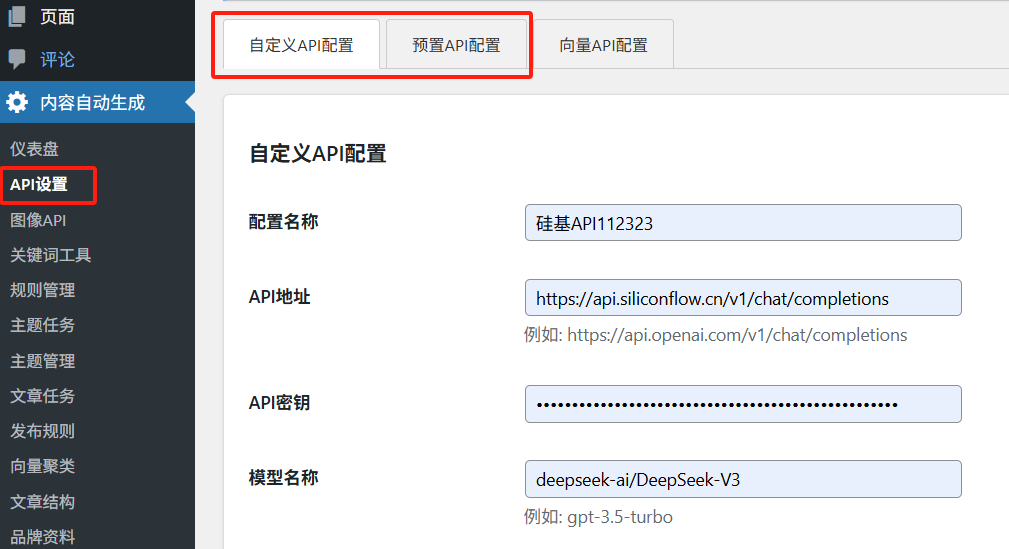
1. Populate the Chatika settings page with API endpoints for self-built LLMs (supporting OpenAI-compatible protocols)
2. Adding authentication keys (in the form of Bearer Token) via headers
3. Test connectivity and save as "development mode" profile
Middle Tier Extensions
- Injecting function call descriptions (in JSON format) using "system hints".
- Binding to external tool APIs (e.g. GitHub/Slack)
- Setting automation trigger conditions (call code inspector when dialog contains #debug)
application layer implementation
1. Code Review Assistant: Push PR Changes to Chatika for AI Advice
2. Document Generator: Docking to Swagger auto-generated API description
3. Operation and Maintenance Monitoring: Trigger alert analysis when specific error codes appear in server logs
Debugging recommendations: open the "reasoning process" to view the original API request/response, use the "dialog fork" to test different combinations of parameters. Pay attention to follow the rate limit specification of each platform.
This answer comes from the articleChatika: Free and Private AI Chat ClientThe
















 English
  简体中文
简体中文  日本語
日本語  Deutsch
  Português do Brasil