
The technical challenge
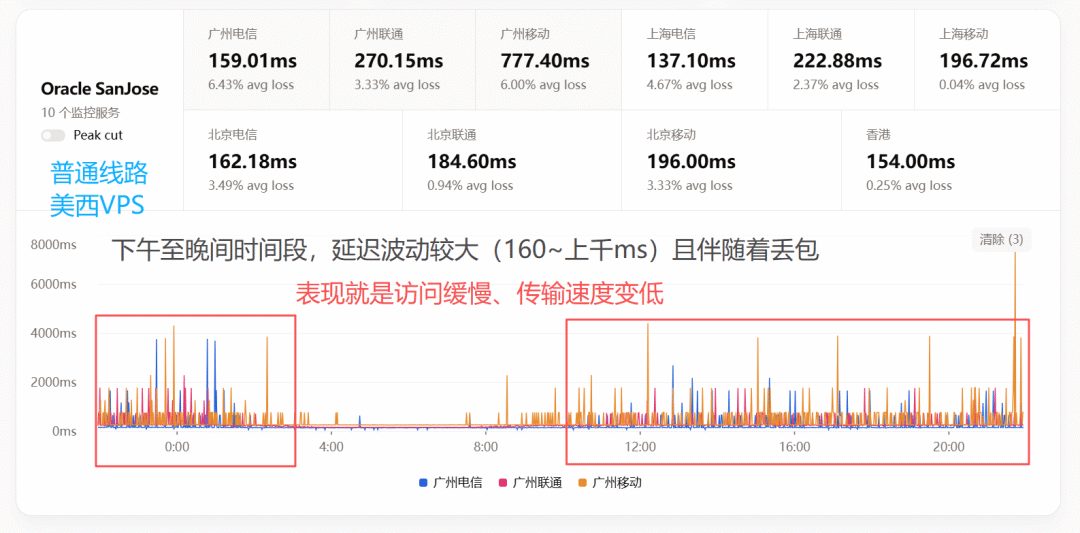
Developers often encounter technical bottlenecks such as high response latency and time-consuming multi-language processing when integrating cross-language search APIs, affecting the end-user experience.
Technical Benefits of FloatSearch AI
- Distributed Semantic Caching: High-frequency query results are cached by a pre-trained model, increasing the response speed of requests with the same semantics by 3-5 times.
- multilingual parallel processing: API supports dynamic specification of language parameters (lang=en/zh, etc.) and automatic allocation of exclusive calculation nodes at the back-end.
- Response hierarchy mechanism: For scenarios with high real-time requirements, fast mode can be turned on to prioritize the return of some results and then progressively improve them.
integrated solution
1. Add when calling /search endpoints?optimize=latencyparameters
2. Use WebSocket to establish a persistent connection to reduce the handshake overhead
3. Configure the fallback mechanism: automatically return the content of the associated language when there are no results in the target language.
4. Reasonable timeout threshold (500-800ms recommended)
This answer comes from the articleFloat: a cross-language intelligent search engine to retrieve knowledge in different languages in their native languageThe
May not be reproduced without permission:AI productivity tools " How to Optimize Multilingual Search Latency Issues in Professional Domain API Integrations?