
A Practical Approach to Improving the Performance of DeepClaude's Dual Model Collaboration
DeepClaude achieves dual-model collaboration by integrating the chained inference capabilities of DeepSeek R1 with the creativity of Claude Sonnet 3.5, and to further improve its performance performance, the following steps can be taken:
- Optimization of task allocation
Rationalize the division of tasks between the two models:
- Let DeepSeek R1 handle problems that require logical reasoning and step-by-step solutions
- Assigning tasks such as idea generation, code writing, etc. to Claude
- You can specify the task type by modifying the prompt prefix
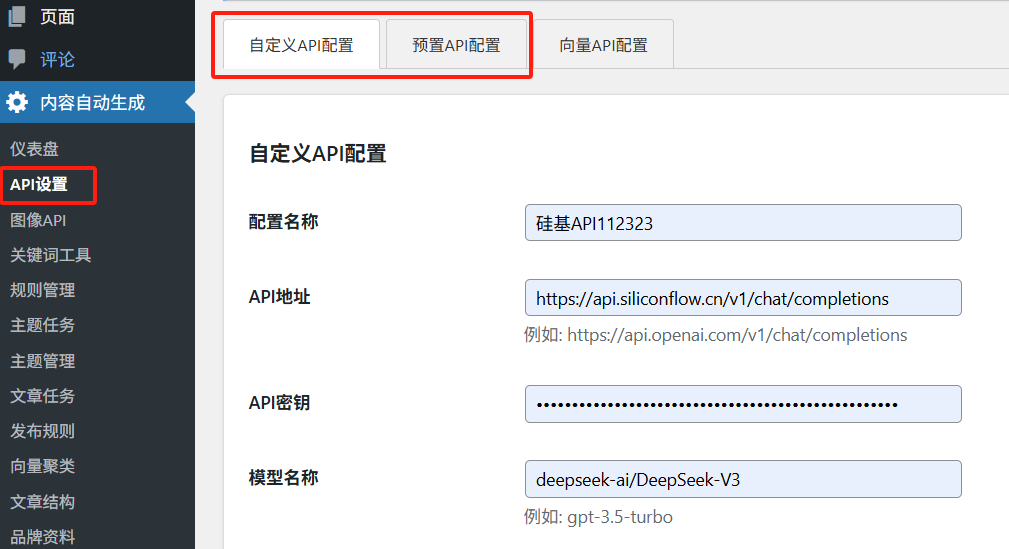
- API key management optimization
Ensure that the API key is configured correctly and has sufficient privileges:
- Check the quotas and limits for both API keys
- Prioritize API packages with high QPS (queries per second)
- Contact Anthropic and DeepSeek to raise API limits if necessary
- Configuration parameter adjustment
Modify key parameters in config.toml:
[pricing]
claude_timeout = 5000  # Claude响应超时(ms)
r1_timeout = 3000      # R1响应超时(ms)
max_retries = 3        # 失败重试次数
Adjusting these parameters to actual network conditions can significantly improve collaboration efficiency.
- Monitoring and Tuning
Use the built-in monitoring function:
- View the average response time of the model
- Monitor the failure rate of collaborative tasks
- Documentation of common problem patterns to optimize pre-processing
This data helps to continuously optimize the effectiveness of dual-model collaboration.
With these targeted optimizations, the performance benefits of DeepClaude's dual-model design can be fully exploited.
This answer comes from the articleDeepClaude: A Chat Interface Fusing DeepSeek R1 Chained Reasoning and Claude CreativityThe