
Implementation Paths for Phonetization of Educational Content
A complete workflow for converting textbooks to speech:
- Preparation:
- Choosing the right tone (recording the teacher's standard pronunciation is recommended as a reference)
- Split textbook text into multiple paragraphs by section
- Batch Program:
- Write Python scripts for recurring calls
infer_cli.py - utilization
os.system()Execute the batch synthesis command - The output files are numbered by section (
chapter_01.wav)
- Write Python scripts for recurring calls
- Advanced Functional Applications:
- Adding Stop Rhythm via the Aligner Submodule
- Correcting the pronunciation of specialized terminology with Graphme-to-Phoneme
- Quality optimization:
- Noise suppression of generated audio (e.g. using Audacity)
- Add background music to enhance the listening experience
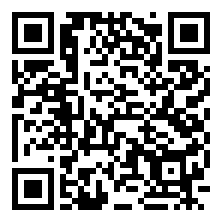
It is recommended to produce sample chapters to get user feedback before mass production. Results can be integrated into a Learning Management System (LMS) or generated as QR codes for printing on textbooks.
This answer comes from the articleMegaTTS3: A Lightweight Model for Synthesizing Chinese and English SpeechThe
May not be reproduced without permission:AI productivity tools " How can MegaTTS3 be applied in educational scenarios to speechify educational materials?