

Optimization Strategies for Improving Response Speed of Continuous Instructions
For high-frequency command scenarios, the following optimizations can be used.
- local cache:: Create a local response cache for repetitive commands (e.g., "return to desktop") to avoid frequent LLM calls
- batch mode:: Combine multiple related instructions into a single script (e.g., "open notepad and enter text" is considered an atomic operation)
- Resource preloading:: Preload the next possible component (e.g., initialize the browser object in advance) during a 1.5-second delay window.
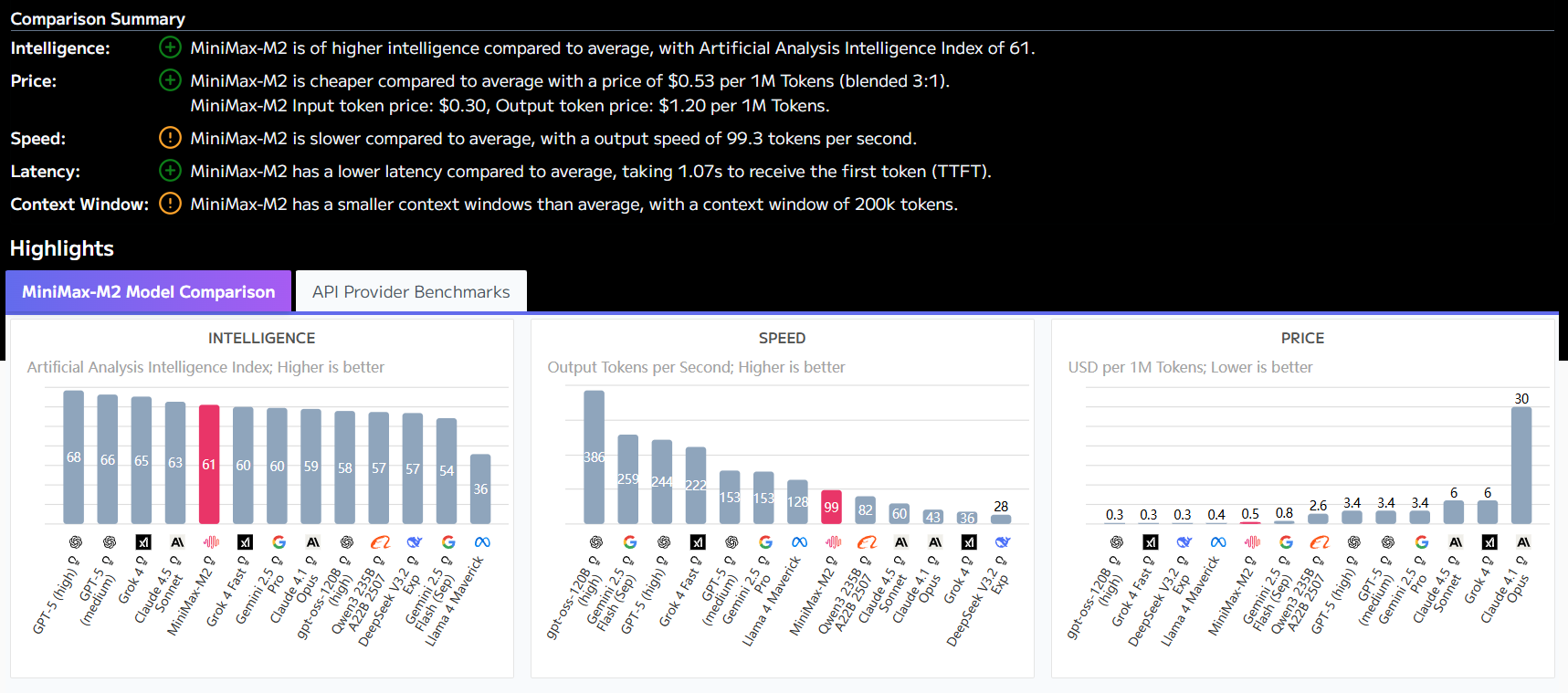
- LLM Selection:: Selection of more responsive lightweight models (e.g., Gemini 1.5 Flash) to replace time-consuming heavy models
- network optimization: If using cloud-based LLM, ensure network stability and consider using a local caching proxy to reduce latency
- system tuning: Shut down unnecessary background processes and assign a higher CPU priority to the Python interpreter.
With these optimizations, you can maintain a smooth experience even when you continuously input complex command flows such as "open mailbox→write email→add attachment→send".
This answer comes from the articleWindows-MCP: Open Source Tool for Lightweight AI Control of Windows SystemsThe
May not be reproduced without permission:AI productivity tools " How to optimize the response speed of Windows-MCP when executing sequential commands?