
Solution: step-by-step AI-assisted competitive research
Deep Research's Iterative Research feature is particularly well suited for systematic competitive analysis, and here are the steps to do it:
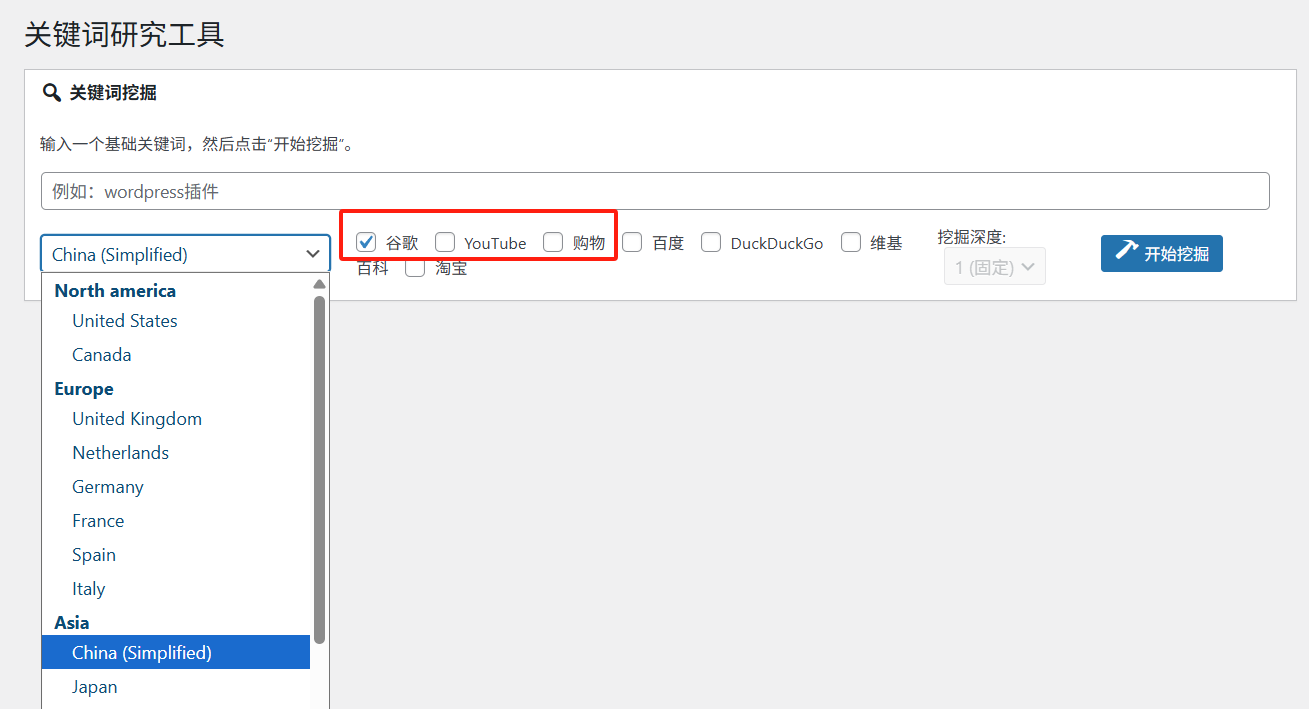
- Configure initial parameters: Set the search engine to Google/Bing in the .env file, and adjust the MAX_RESULTS parameter to control the scanning breadth (10-20 entries recommended)
- Generate Intelligent Queries: Enter a seed query like "[Industry] Head Competitor 2024 Core Advantage site:*.com" and the AI will automatically expand relevant long-tailed terms
- Deep Data Extraction: Crawling key pages such as competitors' official websites, blogs, job pages, etc. through built-in crawlers to analyze the tech stack and product roadmap
- Dynamic Adjustment Strategies: When a high-frequency word is found in a competitor, the system automatically generates an in-depth follow-up question (e.g., "Competitor X's pricing strategy white paper").
- Report generation optimization: Organize key findings using ## Competitive Landscape tags in the generated Markdown report containing the SWOT matrix template
Advanced Tip: In conjunction with the commercialized version of Aomni, you can access pre-defined GTM analysis templates to automatically generate Porter's Five Forces model illustrations.
This answer comes from the articleDeep Research: an AI-based deep research assistant that provides efficient research tools and report generation capabilitiesThe
May not be reproduced without permission:AI productivity tools " How to Achieve Efficient Competitive Market Analysis with Deep Research?