

Solution: Structured step-by-step development combined with automation tools
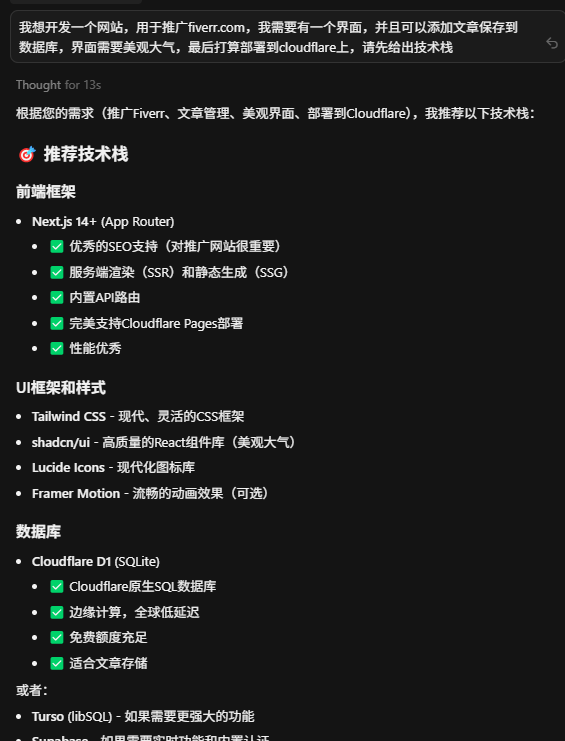
GPT Pilot solves the code maintenance challenge in the following ways: first, it uses theModular Generation StrategyIn order to generate code, we split complex applications into three separate parts: front-end components, back-end APIs, and databases, ensuring that the responsibilities of each module are clearly defined. For example, when developing a social platform:
- Mr. Mr. React front-end component tree structure
- Redeveloping RESTful endpoints for Express.js
- Final Configuration of PostgreSQL Table Relationships and Migration Scripts
Secondly.Automatic generation of technical documentationThe function is operational:python pilot.py --generate-docs
The generated documentation contains: API endpoint descriptions, data model relationship diagrams and component interaction flowcharts, saved in the /docs directory. For debugging, the Debugger agent will:
- Automatically flag code blocks with cyclic dependencies
- Identify unhandled exceptions and provide try-catch templates
- Detecting Memory Leak Patterns
Best practice recommendation: enable in config.jsonpgvector extensionsStore embedding for subsequent code retrieval and similar problem matching.
This answer comes from the articleGPT Pilot: an AI tool to assist developers in building applications for production environmentsThe