
Background to the issue
Academic researchers often face the problem of language barriers that prevent efficient access to non-native literature resources, and the separate operation of traditional translation tools and search engines seriously affects research efficiency.
FloatSearch AI Solutions
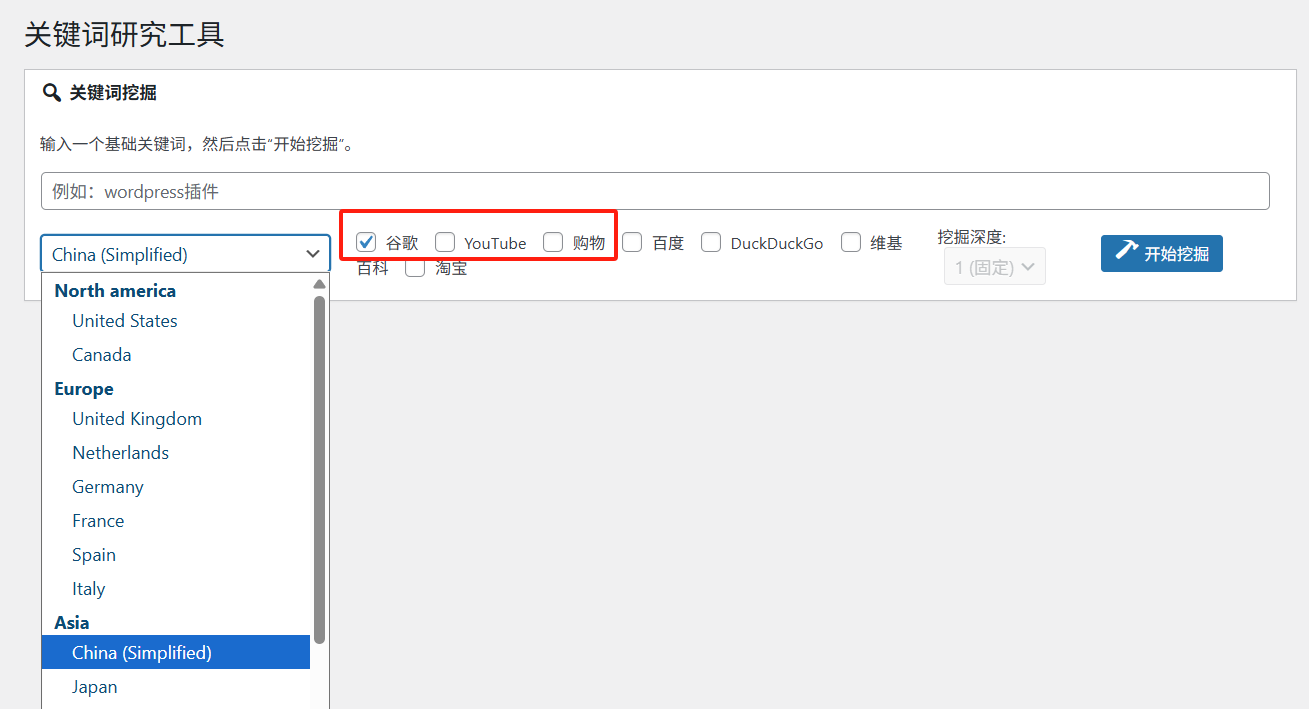
- Native Cross-Language Search: Select the target language (e.g. English/Japanese) directly in the search interface, and the system will automatically handle the semantic conversion, eliminating the need to manually translate the query statement.
- Intelligent Semantic Extensions: When searching for keywords in a non-native language, the system automatically associates terminology variants in that language (e.g., searching for literature on "neural network" and "neural network" simultaneously).
- Reference Grounding Functions: Turn on the "Show References" option on the search results page to instantly view DOI links and abstract translations from authoritative databases.
operation suggestion
1. Set preferred language combinations for documentation in advanced search (e.g., Chinese-English)
2. Ask questions in natural language (e.g., "Breakthroughs in quantum computing in the last five years").
3. Refinement of results through multiple rounds of interactions (second question could be "Please focus on the results of the Japanese Institute")
This answer comes from the articleFloat: a cross-language intelligent search engine to retrieve knowledge in different languages in their native languageThe