

Cross-language challenges
When the research topic involves multilingual materials (e.g., comparing Chinese and Japanese AI policies), direct mixed input may result in key non-English information being overlooked.
Systematic solutions
- staged approach: First study each language topic separately (e.g., "Japan's AI Policy Paper" and "China's AI Development Plan"), and finally synthesize the report through the "Comparative Analysis" command.
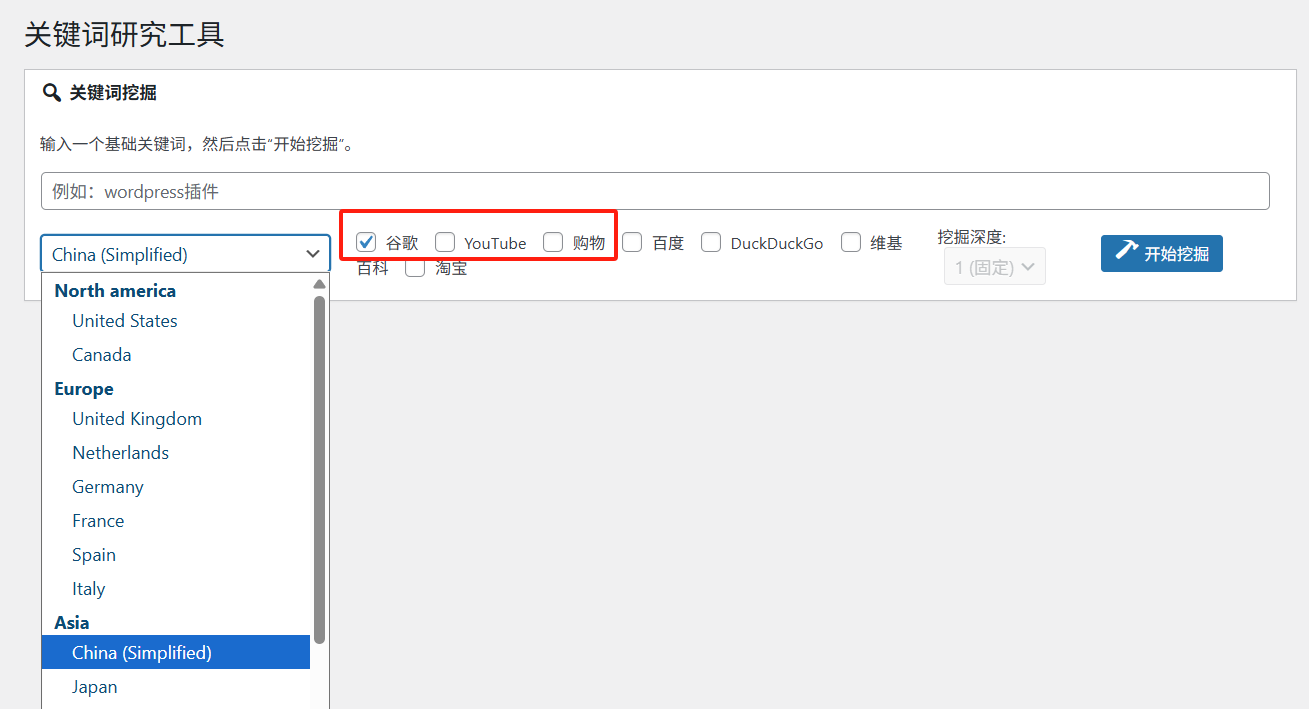
- Regional configuration: Add LANG_SEARCH_PARAMS parameter in .env file, such as "&lr=lang_ja" to force Japanese search, you need to get the Google search area code of each language
- harmonization of terminology: Add custom_glossary.csv to the project assets folder to create a cross-language terminology mapping table (e.g. AI → Artificial Intelligence → Artificial Intelligence)
- translation verification: Enable "backTranslationCheck":true in config.json to automatically verify the accuracy of key passages through back translation.
Example of operation
When researching "Germany Industry 4.0 and Made in China 2025″: 1) Create two configuration files, de.env and zh.env 2) Set API_KEY and language parameters respectively 3) Use npm run dev-de and npm run dev-zh to start the two instances 4) Finally, use the diff tool to compare and report the differences. Note that the Gemini API calculates tokens differently for non-Latin languages, so you need to increase the quota appropriately.
This answer comes from the articleKResearch: Generate Free In-depth Research Reports with Google Gemini APIsThe
May not be reproduced without permission:AI productivity tools " How to solve the problem of missing information when KResearch handles cross-language research?