

bottleneck analysis
Intelligent customer service systems are prone to response delays during peak traffic, mainly due to queuing of large model API calls and competition for vector retrieval resources.
optimization strategy
- hybrid deployment: Critical business models (e.g., order queries) are deployed locally via vLLM, and general-purpose Q&A still uses cloud APIs
- caching mechanism: HF question answers are stored in Redis, set TTL=1 hour for automatic update
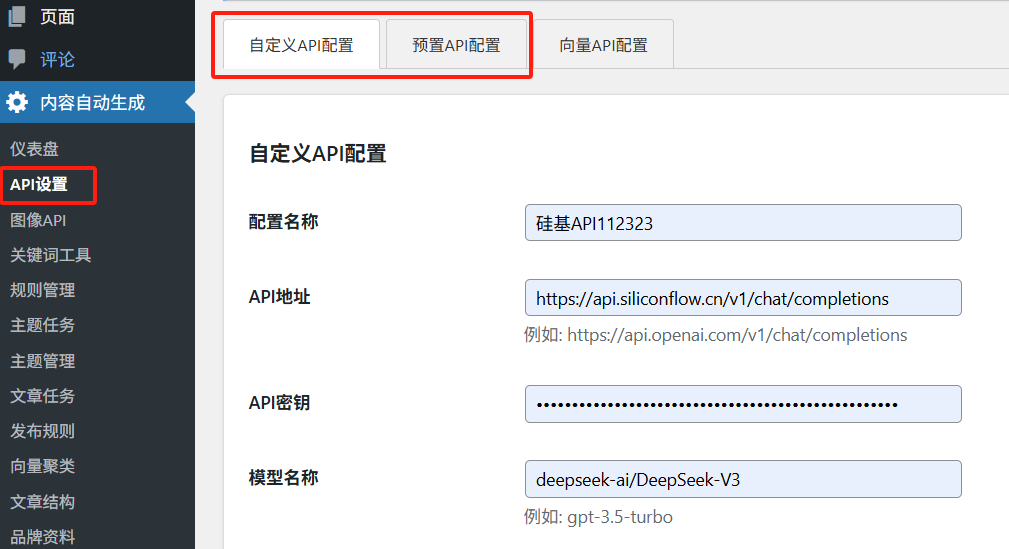
- load balancing: Configure multi-model alternate paths in models.yaml, e.g., use both beanbag and Wisdom Spectrum Clear Speech APIs
Elements of implementation
- Monitor container resource usage via docker stats and adjust docker-compose.dev.yml's resources limit
- Hierarchical indexing of knowledge base documents and GPU-accelerated retrieval of vectors corresponding to high-frequency questions
- Set up failover mechanism: automatically switch to the backup model when the primary model times out for 2 seconds.
After an e-commerce platform adopted the above program, the average response time during the Double 11 period was stabilized within 1.2 seconds
This answer comes from the articleYuxi-Know: A Knowledge Graph-based Intelligent Q&A PlatformThe
May not be reproduced without permission:AI productivity tools " How to prevent intelligent customer service systems from responding to delays during peak times?