

Needle employs a multi-tiered rights management architecture to ensure security compliance for sensitive enterprise data:
Core security mechanisms include:
- RBAC privilege model::
- Predefined basic roles such as administrator, editor, viewer, etc.
- Support for customizing roles and assigning fine-grained permissions
- Least privilege principle is enabled by default
- <strong]Data Access Control::
- Field-level access settings <li]Automatic Permission Inheritance Based on Organizational Structure
<li]Secondary authentication for sensitive operations
- <li]Complete documentation of all data access behavior
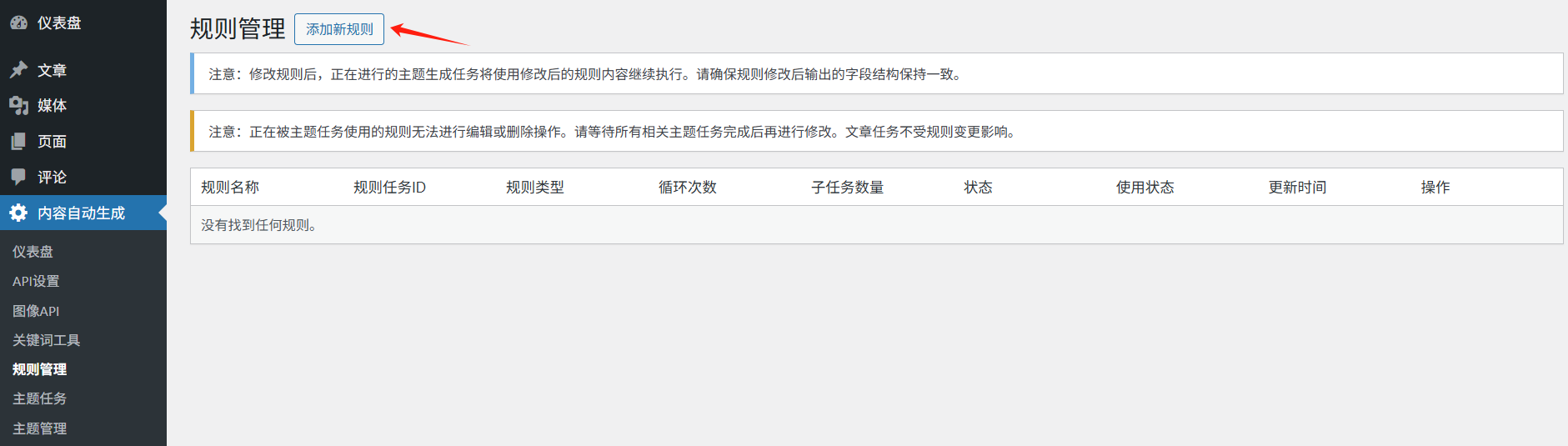
At the implementation level, the enterprise can be configured visually through the 『Privilege Management』 interface:
1. Define first the structure of the organizational unit
2. Visible scope of the data source is then assigned
3. Finally, set specific operating privileges (view/edit/share, etc.)
The system supports LDAP/Active Directory integration, which can be interfaced with the existing account system of the enterprise.
Notably, Needle uses AES-256 encryption for all data transfers, implements slice-and-dice storage for data at rest, and is SOC2 Type II certified to meet the requirements of highly regulated industries such as finance and healthcare.
This answer comes from the articleNeedle: an AI search and job automation platform with access to private data sourcesThe