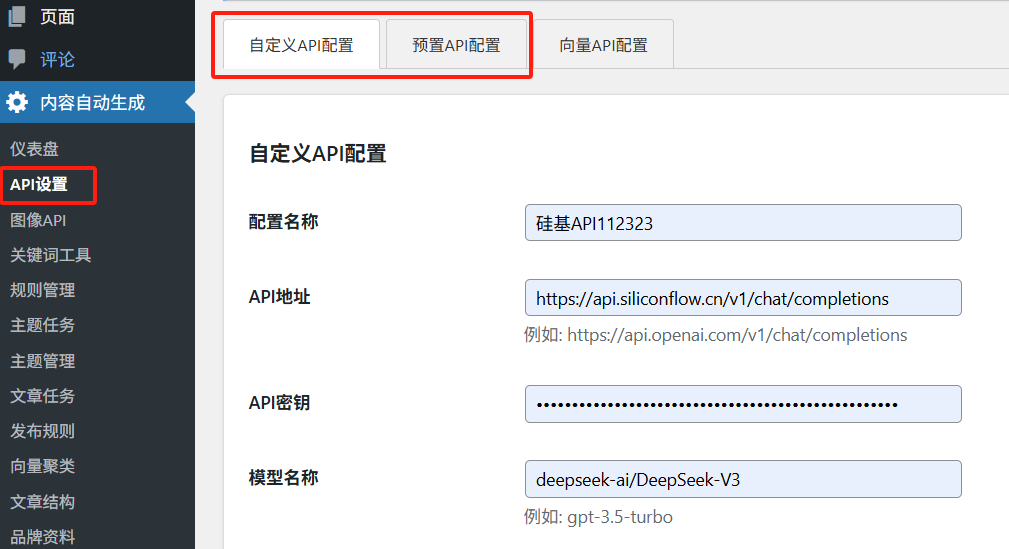


Magentic-UI was designed with the diversity of language model selection in mind, and its architecture supports flexible access to multiple mainstream AI models. The system is natively compatible with Claude 3.7 Sonnet, Qwen 2.5 VL and other language models, and users can switch to different models by modifying the relevant parameters in the configuration file config.json. This design allows users to choose the most suitable base model according to the task characteristics.
The advantages of this feature are: firstly, when a specific model API has access problems, it can be quickly switched to an alternate model; secondly, users can choose a model that specializes in different domains for different tasks such as text comprehension, code generation, and so on; furthermore, this open design facilitates the subsequent integration of more emerging models. For example, when dealing with tasks that require strong logical reasoning ability, Claude can be preferred; while when the task involves Chinese content processing, Qwen may be more appropriate. This flexible model selection mechanism greatly improves the applicability of the product.
This answer comes from the articleMagentic-UI: An Intelligent Agent Tool to Support User Collaboration on Web TasksThe