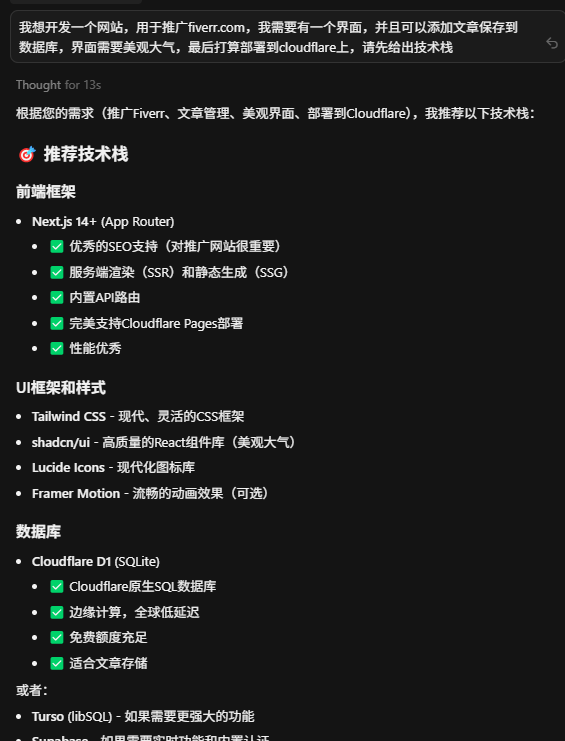


The tool is built using a modern technology stack, and its open source nature allows organizations to deeply customize the data generation logic. The front-end is based on Next.js for server-side rendering, combined with Tailwind CSS to ensure responsive layout; the back-end is containerized and deployed via Docker and supports Kubernetes cluster scaling. Core technology components include:
- Plug-in Data Sources: Industry-specific data (e.g., Medicare HICN codes) can be supported by writing Faker extension modules
- Distributed Task Queues: Using Redis to handle massive data generation requests, a single node can generate 10 million datasets in parallel.
- Audit trail: All generation operations log metadata to comply with GDPR and other compliance requirements
Typical examples of customization for business users include: banking institutions adding anti-money laundering rule engines to ensure that generated transaction data contains suspicious patterns; educational institutions integrating LMS systems to push generated datasets directly to student lab environments. the MIT license allows for commercial applications without licensing fees.
This answer comes from the articleMetabase AI Dataset Generator: Quickly Generate Real Datasets for Demonstration and AnalysisThe