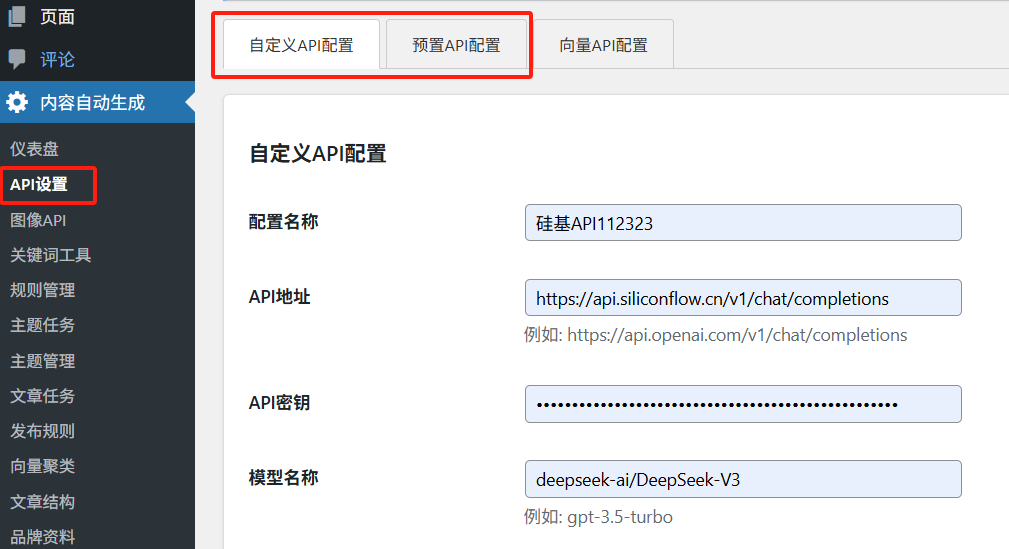


The tool uses environment variables as the core configuration method, a design that ensures security and provides deployment flexibility. Key configuration parameters include CUSTOM_LLM_API_KEY for setting the authentication key of each vendor, CUSTOM_LLM_MODEL_NAME for specifying the model version, and CUSTOM_LLM_MAX_TOKENS for controlling the generation length. Practice shows that this configuration method is more adaptable to containerized deployment scenarios than traditional configuration files, especially when used in conjunction with Docker's env_file feature. Developers can pre-inject environment variables for different environments into the CI/CD pipeline to achieve seamless switching between test and production environments. The documentation recommends writing these variables persistently to .zshrc or .bashrc files, but be careful to avoid submitting sensitive keys to the version control system.
This answer comes from the articleeasy-llm-cli: enable Gemini CLI support for calling multiple large language models》