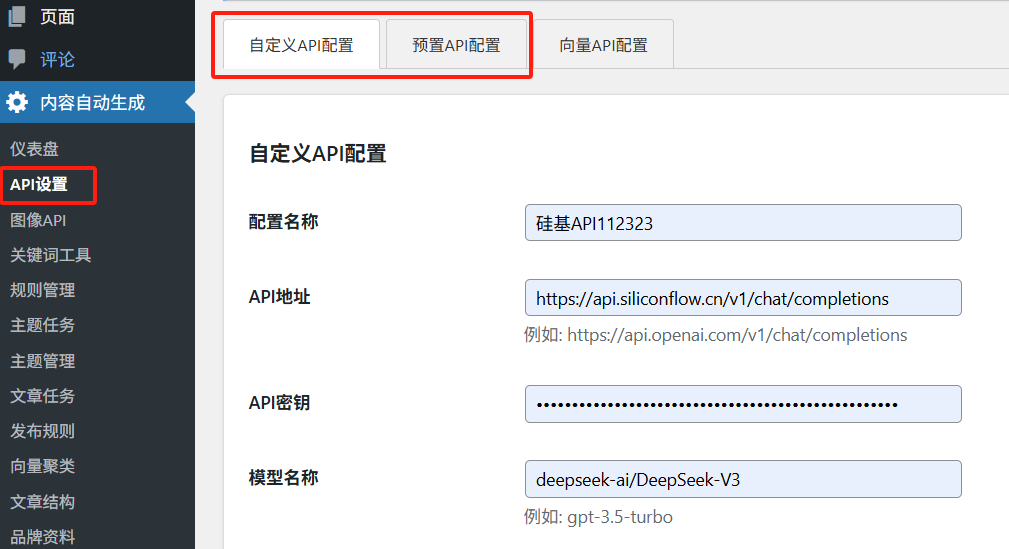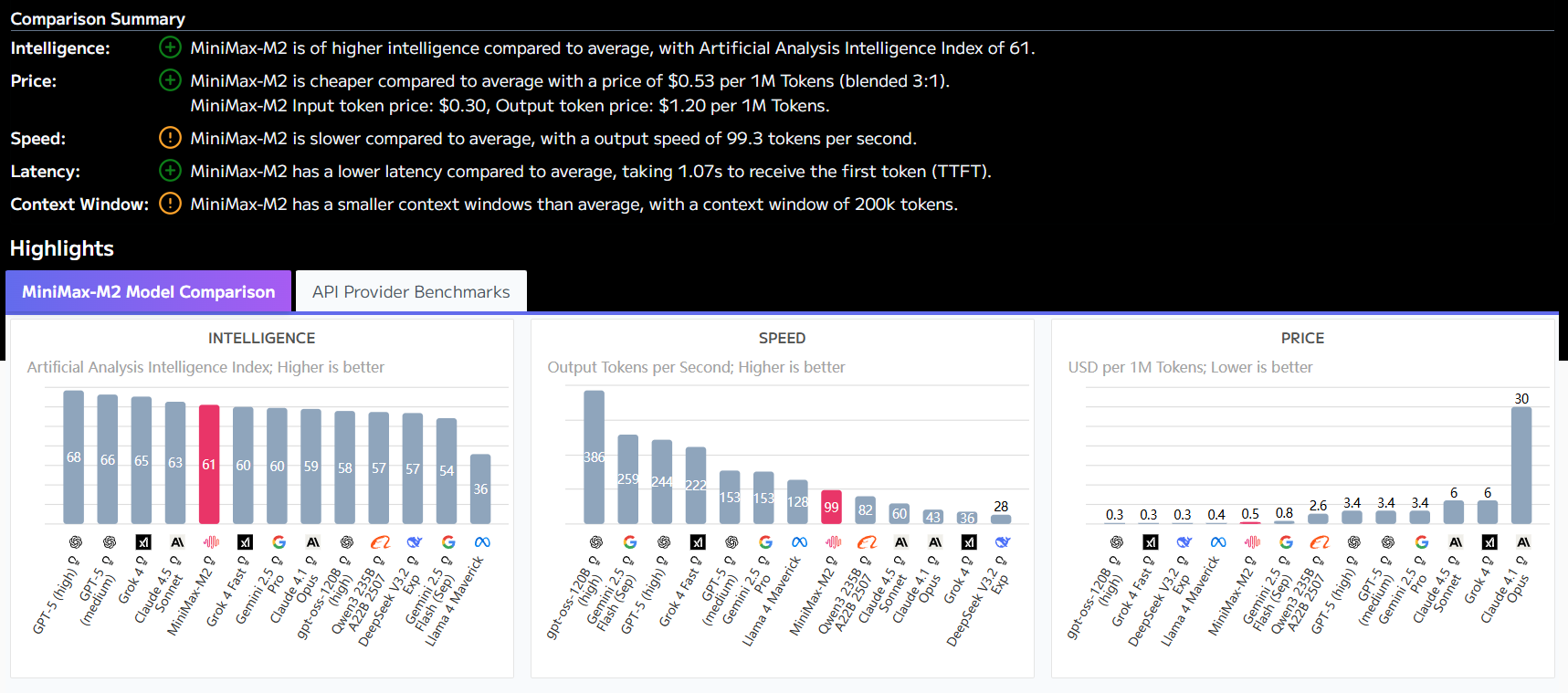

The key feature that distinguishes Wordware from similar products is its complete multi-model support architecture. The system not only integrates large commercial models such as GPT-4 and Claude 3, but is also compatible with open source models such as LLAMA, allowing users to flexibly choose the best solution based on dimensions such as accuracy, cost, and response speed. In terms of technical implementation, Wordware has developed a unified API gateway to handle the input and output specifications of different models, as well as a built-in model performance evaluation module, which is crucial for enterprise-level applications.
In specific application scenarios, the marketing department can choose the more creative Claude 3 when generating marketing copy; the technical team may choose the GPT-4 with higher factual accuracy when constructing the knowledge base Q&A system; and the internal document processing can use the free LLAMA model to reduce costs. The latest test data shows that Wordware's multi-model switching response time is controlled within 300ms, and the auto-evaluation module can reduce the error output by 76%. This technical architecture not only ensures flexibility, but also avoids the technical fragmentation of different models through standardized interfaces.
This answer comes from the articleWordware: building AI applications using natural language modularityThe