
Deep Searcher is a highly modular tool that supports a wide range of technical components:
- Vector database:Milvus is supported natively and can also be adapted to other compatible vector databases.
- Embedding models:Supports a variety of embedding models such as BERT for converting text to vector representations.
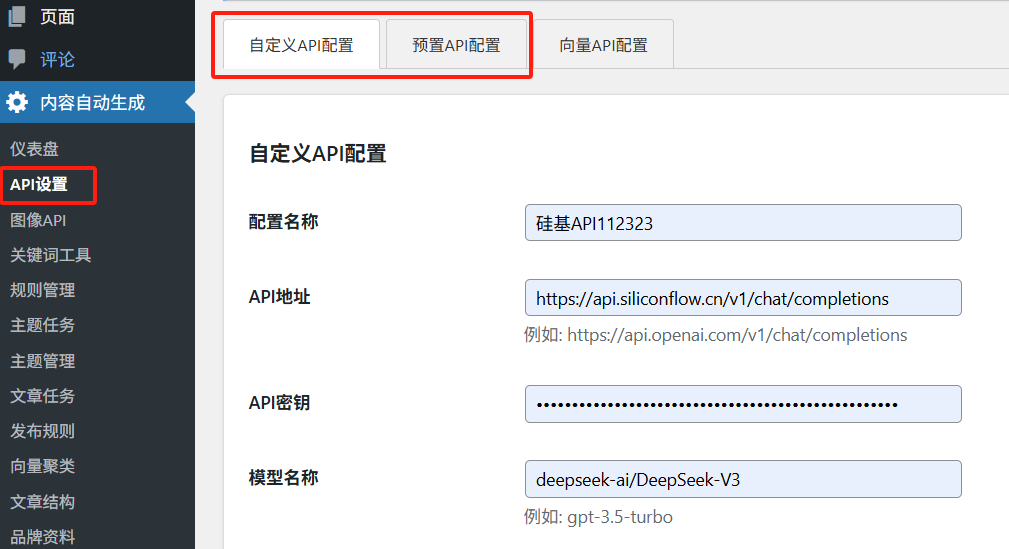
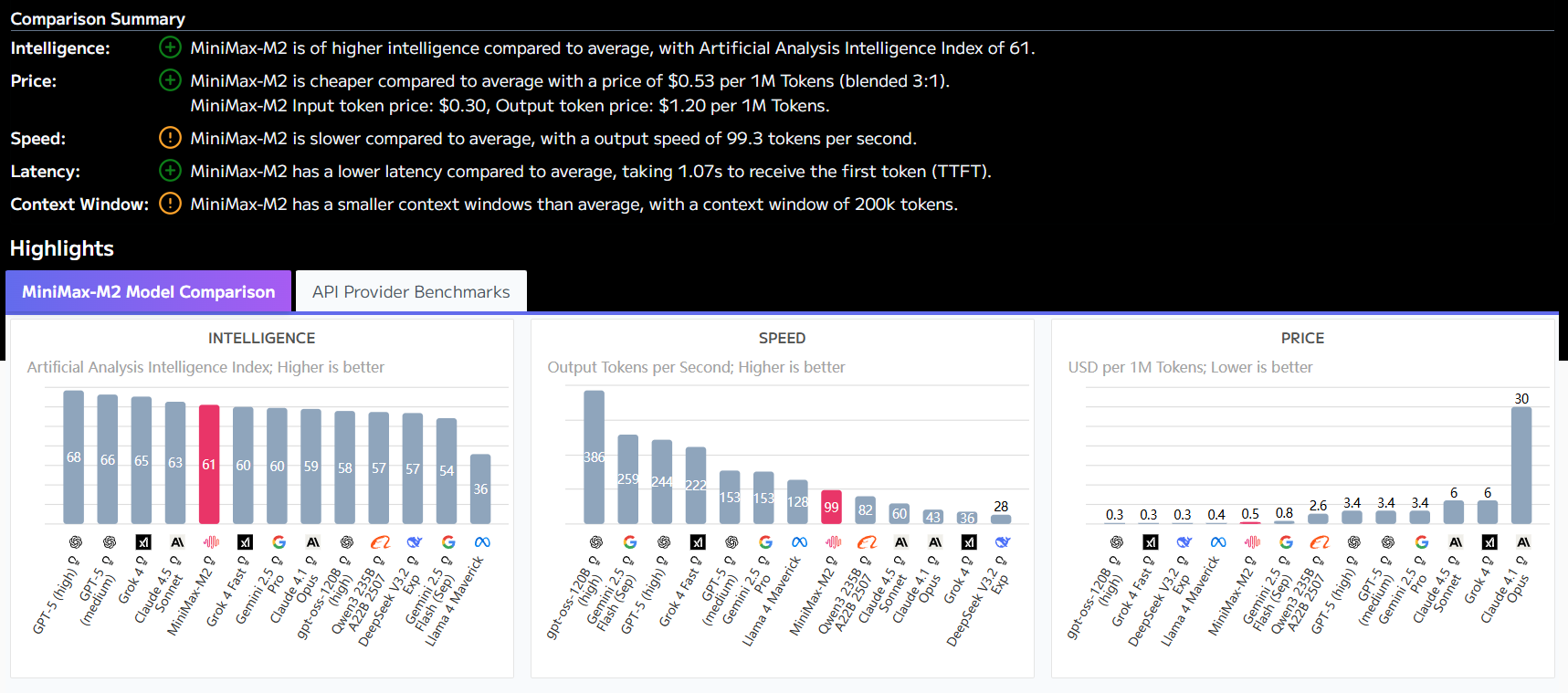
- The Great Language Model:Compatible with DeepSeek, OpenAI and other mainstream LLMs for Q&A and content generation.
Choosing the right configuration requires consideration of the following factors:
- Data Scale:While small knowledge bases can use lightweight configurations, large-scale enterprise data requires higher performance vector databases and embedded models.
- Response Speed Requirements:Scenarios with high real-time requirements may require sacrificing some accuracy in exchange for a faster response.
- Security Requirements:Highly sensitive data may require a completely offline model deployment scenario.
- Budgetary considerations:Some commercial LLM APIs (e.g., OpenAI) incur usage fees, while open source alternatives (e.g., DeepSeek) can reduce costs.
Deep Searcher's flexible design allows users to easily switch between different combinations of components via configuration files. It is recommended to conduct small-scale testing initially to find the configuration solution that best suits the business needs before full-scale deployment.
This answer comes from the articleDeep Finder: open source project for deep inference search using local knowledgeThe
May not be reproduced without permission:AI productivity tools " What technical components does Deep Searcher support and how do I choose the right configuration?