
The Deep Research Web UI is designed to emphasize model compatibility and primarily supports the following AI models:
- native support: DeepSeek R1 model (built-in by default)
- Extensible Support: OpenAI family of models (e.g., GPT-4), other mainstream models such as Claude, etc.
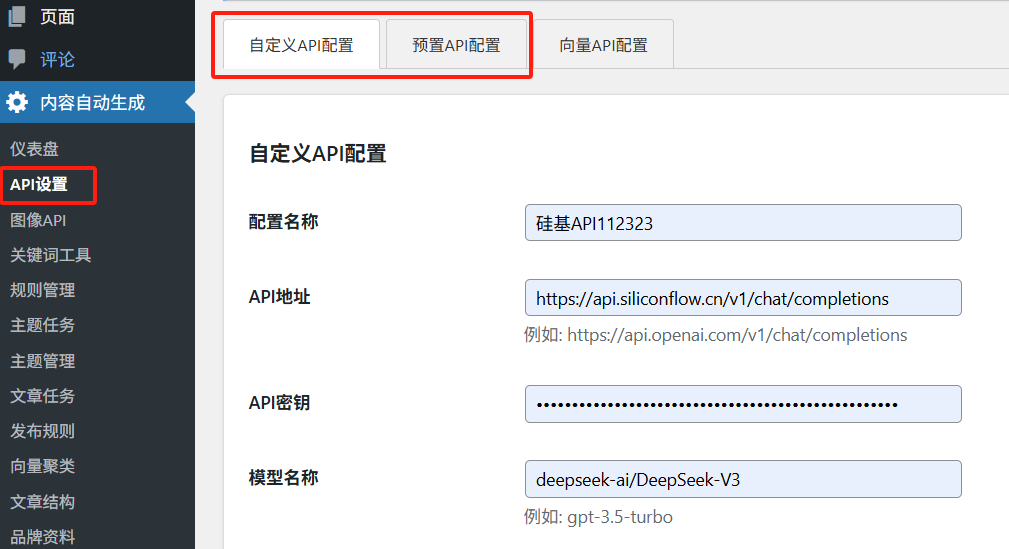
To configure the API key, perform the following steps:
- Get Tavily API key: Sign up for an account on the Tavily website and get 1,000 free searches per month!
- Creating .env files: Add the
TAVILY_API_KEY=你的密钥 - Configuring the AI model: To use OpenAI, add the following to .env
OPENAI_API_KEY=你的密钥cap (a poem)OPENAI_MODEL=gpt-4 - restart sth.: Save and restart the service for the configuration to take effect
Something to keep in mind:
- Use of different models may require fine-tuning of cue word templates
- The OpenAI API is a paid service and incurs additional costs
- The free version of Tavily has a limit of 1,000 searches per month, so consider upgrading to the paid version!
- API keys are sensitive information and should be protected from disclosure.
With flexible API configuration, users can choose the most suitable combination of AI models according to their needs and budget.
This answer comes from the articleDeep Research Web UI: an AI assistant supporting multilingual deep researchThe
May not be reproduced without permission:AI productivity tools " What AI models are supported by the Deep Research Web UI? How do I configure API keys?